Nine Banners and Counting: How Celina Bobcat Football Became a Friday Night Religion
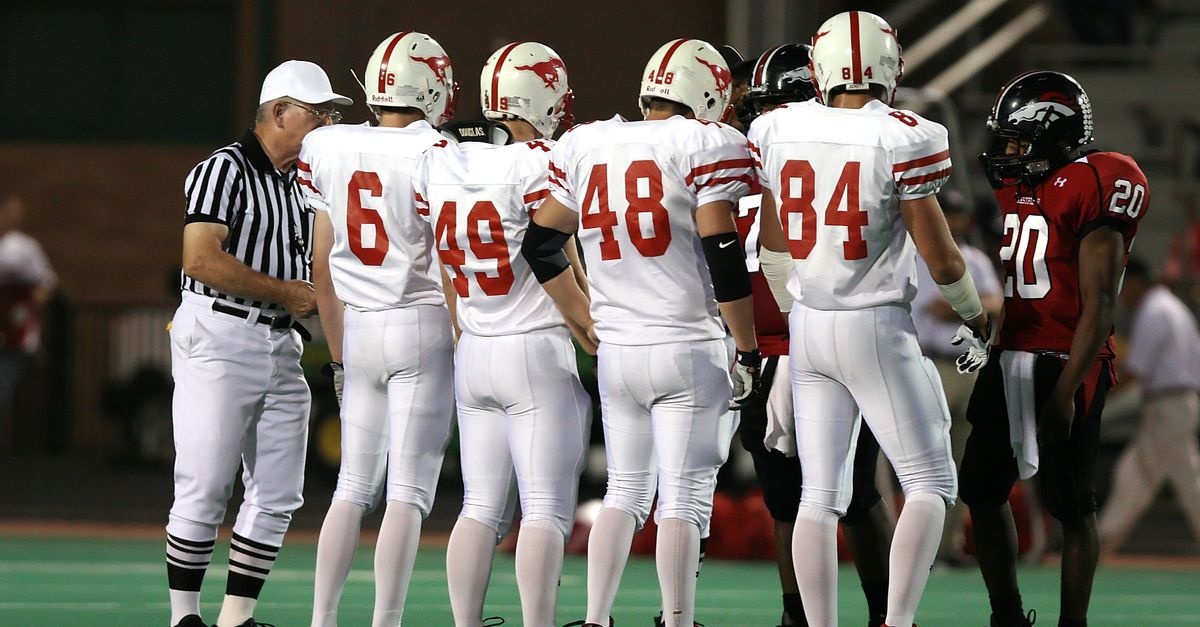
On the first Friday of September, under the lights at Bobcat Stadium on North Preston Road, something happened that has been happening in Celina for a very long time. The Celina Bobcats played football, and the community showed up.
The 2026 season opened on Sept. 4 with a 35–34 win over Liberty Christian — the kind of one-point finish that condenses an entire town’s nervous energy into a single moment and then releases it all at once. For long-time Celina residents, that kind of finish is familiar territory. This program has been winning close games, lopsided games, and every kind of game in between for decades. Nine state championships worth of them.
Nine.
That number places the Celina Bobcats tied for third among all Texas 11-man football programs in state titles — a staggering figure for a community that, even as it grows rapidly, still carries the soul of a small town where Friday nights mean something.
What Nine Championships Actually Means in Texas
Texas high school football is not a modest enterprise. Across more than 1,500 UIL programs statewide, dynasties rise and fall across generations. Programs from large metropolitan districts pour resources and population into their athletic pipelines. And yet, here sits Celina, a city still finding its footing in the transition from small community to fast-growing suburb, with nine championship banners hanging inside Bobcat Stadium.
To be tied for third in a state this size is to occupy a genuinely rare piece of Texas football history. The names on those championship trophies span different eras, different coaches, and different generations of Celina kids who grew up idolizing the players before them and then became the players those who came after would idolize in turn. That kind of lineage does not happen by accident. It is built through discipline, community investment, and an institutional culture that treats the program as something worth protecting.
For families who have moved to Celina in the last several years — and there are many of them, drawn by the new developments pushing north along Preston Road — that history is part of what they are buying into, whether they realize it immediately or not. The championship legacy is woven into Celina’s identity the way the Downtown Square is, or the Friday Night Market, or the smell of fall arriving on the Collin County plains.
Bobcat Stadium on a Friday Night
The stadium at Celina High School, at 3455 N. Preston Rd., is not the flashiest venue in North Texas. It does not need to be. What it has is something more durable: a crowd that genuinely cares, and has cared across enough decades to pass that caring down like a family heirloom.
On home game nights, the parking lots fill early. Families stake out bleacher spots. The concession lines form with the comfortable resignation of people who know they will wait and have decided it is worth it. Students in Bobcat gear flood the student section, performing the specific choreography of high school fandom that looks effortless because they have watched upperclassmen do it for years and have simply absorbed the ritual.
First responders in the community are regulars. Teachers come on their own time. Parents of kids who graduated years ago still show up because the habit is too deeply set to break. All of this is the natural byproduct of a program that has given people enough reasons to care that caring has become second nature.
The Sept. 4 opener against Liberty Christian demonstrated exactly what this program can produce when the margin is thin and the pressure is real. A 35–34 victory is not a comfortable win. It is the kind of result that tests a team’s character in the opening week of a season, when everything is still being sorted out and the margin for error feels razor-thin. The Bobcats navigated it. The community celebrated it. And then attention shifted, as it always does in football, to what comes next.
A UIL 5A Program in a Growing City
Celina competes in UIL Class 5A, a classification that reflects the city’s growth over recent years. That growth has changed things — more students, more families, more infrastructure — but the football program has maintained its identity through the transition. The nine championships were not all won in 5A. The program climbed through classifications as the city grew, carrying its culture upward with it.
That ability to sustain excellence through classification changes is, in some ways, the most impressive part of the story. Many programs peak in smaller classifications and struggle to find the same success when they move up. Celina has found ways to keep winning as the competition has intensified, which speaks to something structural about how the program operates rather than simply favorable circumstances at a given moment.
For families navigating the Celina ISD school system — particularly those who arrived in the last few years and are still learning the rhythms of the community — Bobcat football serves as one of the most accessible on-ramps to belonging here. You do not need to have been born in Celina to stand in that stadium and feel connected to what is happening on the field. The shared experience of a Friday night game has a democratizing quality. Everyone is watching the same thing together.
Why It Matters Now
Celina in the fall of 2026 is a city in motion. The $59 million Downtown Center is rising toward a projected February 2027 opening. New retail anchors have arrived along South Preston Road. The population is adding new households at a pace that would have been difficult to imagine a decade ago. Change is everywhere, and not all of it is comfortable for people who remember the city from earlier times.
In that context, the Bobcat football program functions as a kind of continuity. It is the thing that has not changed even as nearly everything around it has. The banners still hang in the same stadium. The Friday night rhythm still organizes the community calendar from September through November. The standard of excellence still demands something real from the young people who carry it.
That is not a small thing in a city navigating rapid growth. Communities that grow quickly sometimes lose the connective tissue that made them feel like communities in the first place. Celina has, in Bobcat football, a piece of connective tissue with nine championships worth of tensile strength.
The 2026 season is underway. The opener is already in the win column. And on North Preston Road on any given Friday night through the fall, the lights at Bobcat Stadium will be on, the bleachers will fill, and Celina will do what Celina has been doing for a very long time.